
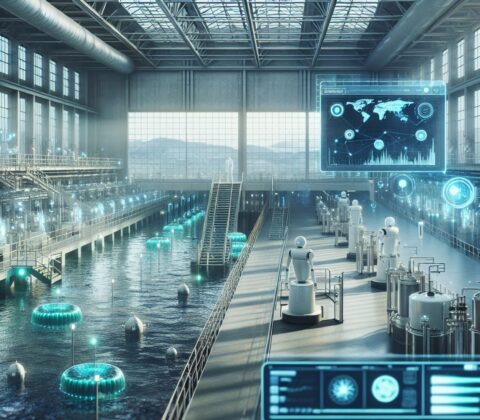
The future of automated wastewater treatment with AI and IoT solutions
Modern technology brings fresh, innovative solutions to various sectors, and wastewater treatment is no exemption. One area currently undergoing substantial transformation is wastewater processing, thanks to Artificial Intelligence (AI) and the Internet of Things (IoT).
Introduction to AI and IoT
AI refers to computer systems performing tasks that typically require human intelligence, like learning and problem-solving. IoT, on the other hand, connects numerous devices over the internet, allowing them to interact and exchange data. The integration of AI and IoT in industries optimizes operations and heightens efficiency.
AI and IoT in Wastewater Treatment
In wastewater treatment, AI and IoT merge to automate the sector. AI uses data from the IoT devices to make real-time decisions, controlling the treatment process without constant human intervention. The result is an efficient system capable of optimizing resource utilization, minimizing errors, and increasing the productivity of treatment plants.
This tech-revolution goes beyond just automation. It provides a palette of advantages that promise to redefine the work environment in treatment plants, opening new opportunities for progressiveness and sustainability.
Rise in Efficiency and Productivity
AI and IoT simplify the complex process of wastewater treatment, boosting efficiency. IoT devices monitor and regulate flows, while AI processes the collected data to make insightful decisions, thus increasing productivity.
Improvement in Resource Utilization
IoT sensors allow for accurate data gathering on water quality and the performance of treatment systems. AI then processes this data, providing useful predictions and recommendations for optimal resource utilization.
Reduction in Errors
Human intervention often results in errors. AI and IoT reduce human involvement, helping to minimize these errors and resulting in a smoother, more streamlined operation.
Future Trends in Automated Wastewater Treatment
We expect significant advancements in wastewater treatment. The integration of AI and IoT solutions will result in the future automated wastewater treatment, offering a robust foundation for technological developments.
Advanced Data Analysis
AI’s capacity to analyze massive data sets will be crucial. Advanced data analytics can predict issues in the system before they occur, reducing maintenance costs and downtime.
Cloud-Based Operations
Cloud computing will play an essential role in future operations. Storing data in the cloud allows for real-time checks and control of plant performance from anywhere, offering considerable flexibility.
Integration of Advanced Technologies
Newer technologies may join AI and IoT to further enhance wastewater treatment. Technologies like Machine Learning and Blockchain have the potential to augment data security and predictive capabilities.
Advantages and Disadvantages
As with any innovation, AI and IoT bring both benefits and challenges to wastewater treatment.
Advantages
Beyond increased productivity and efficiency, automated systems also provide more accurate predictions and facilitate proactive maintenance. Moreover, they offer a scalable solution and more control over operations, reducing waste and improving sustainability.
Disadvantages
On the downside, integrating AI and IoT into operations require significant investment. There is also the disadvantage of limited skills. Not all workers are proficient in AI-related technologies, necessitating continuous training and potentially additional hire of skilled personnel. Lastly, dependency on internet technologies opens systems to potential security breaches.
Final Thoughts
Despite the challenges, it’s clear that AI and IoT are set to revolutionize wastewater treatment. With advanced data analysis, greater operational control, and increased efficiency, we can expect a thriving, modern, and efficient wastewater treatment industry. It’s an exciting turn, promising significant progress in service delivery and environmental sustainability, setting a precedence for other sectors to follow.
The future automated wastewater treatment is waiting, and it’s looking brighter, smarter, and more efficient than ever before.
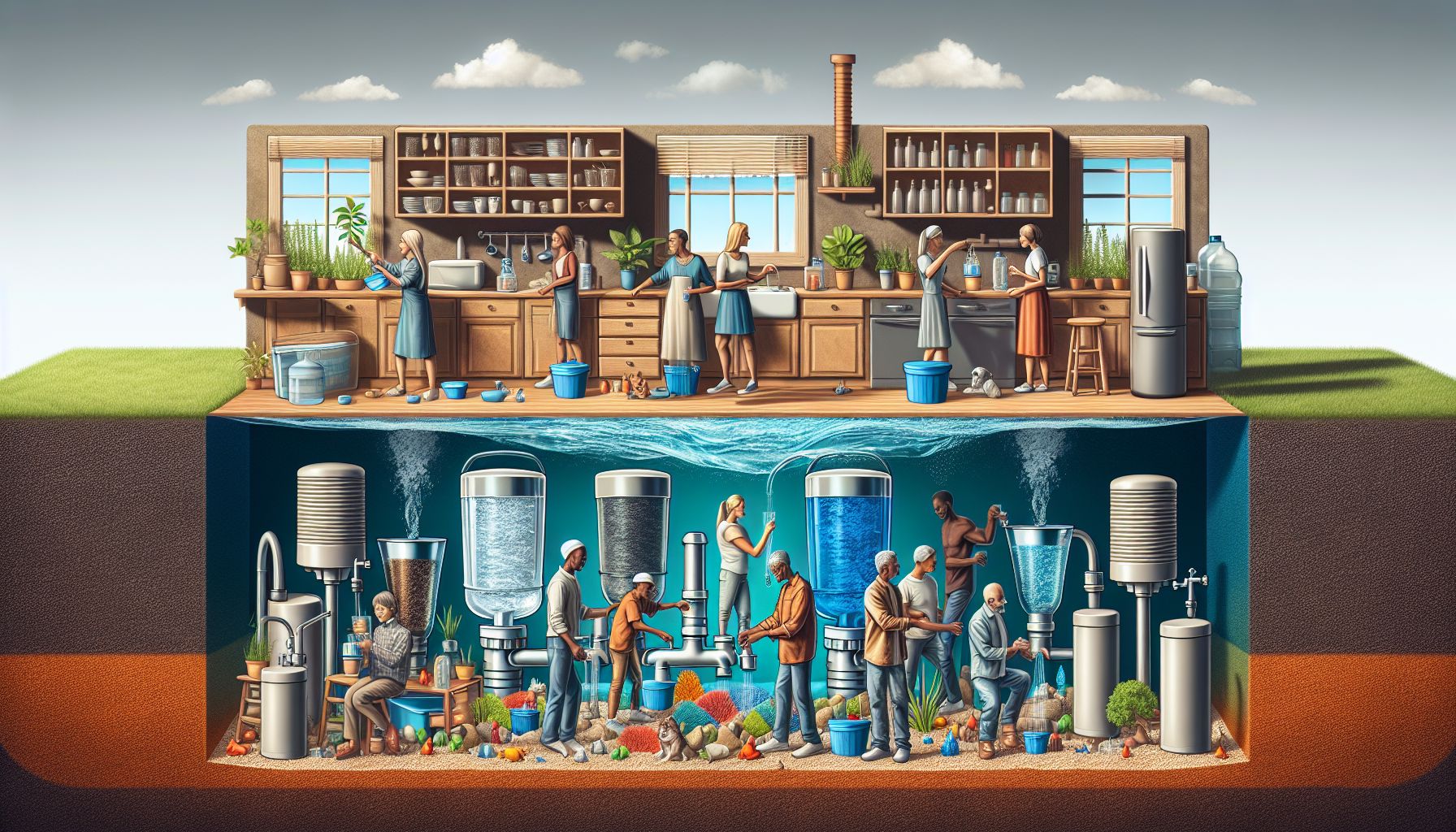
Water quality improvement for residential applications
Water is a basic necessity in every household. Safe, clean water plays a significant role in maintaining good health and overall well-being. For this reason, water quality improvement is a vital element of residential applications.
Understanding Water Quality
Water quality refers to the physical, biological, and chemical characteristics of water. It is a measure of the condition of water concerning the requirements of one or more biotic species and or to any human need or purpose. USGS water science emphasizes that improving the quality of water involves the reduction of pollution and contaminants.
Water Contaminants
Household water can contain different types of contaminants. These may be natural or man-made. Natural contaminants include minerals like calcium and magnesium. Man-made contaminants can include pesticides, industrial waste, and human waste. These contaminants can affect the taste, smell, and safety of your water.
Importance of Water Quality Improvement
Improving water quality for residential applications has several advantages. Firstly, it helps protect health by reducing the risk of waterborne diseases. Secondly, it enhances the taste and odor of the water, making daily consumption more pleasant. Lastly, improved water quality protects household appliances that use water from damage caused by contaminants in the hard water.
Methods of Water Quality Improvement
There are various methods available for improving water quality for residential use. Some of the most common techniques are discussed below.
Filtration Systems
Filtration systems work by removing pollutants from your water. They can be attached directly to your taps or installed in the water supply line. They use different technologies, including activated carbon, ceramic, and reverse osmosis.
Water Softening Systems
Water softening systems remove minerals like calcium and magnesium that cause water hardness. This process can improve the lifespan of household appliances and reduce the amount of detergent required for washing.
Distillation Units
Distillation is a process that involves boiling water to create steam and then condensing the steam back into the water. It effectively removes many contaminants including bacteria, viruses, and heavy metals.
Disinfection Units
Disinfection units use chlorine or ultraviolet light to kill bacteria and other germs in the water. This is commonly used in conjunction with other water treatment systems to ensure complete decontamination.
Considerations for Water Treatment Systems
While choosing a water quality improvement method, several factors need to be considered. These include the type and amount of contaminants in your water, the cost of the system, the amount of water you need to treat, and the maintenance requirements of the system.
Also, while these treatment systems can significantly improve water quality, they are not perfect. They have some drawbacks. For instance, some might not remove all types of pollutants. Others might be expensive to install and maintain.
In conclusion, water quality improvement for residential applications is a crucial aspect of maintaining health and well-being. With various systems available, homeowners can choose the method that best suits their needs. However, making an informed decision would require understanding the type of contaminants in your household water and the effectiveness of different treatment solutions. By doing so, one can ensure the supply of safe and clean water in their homes.
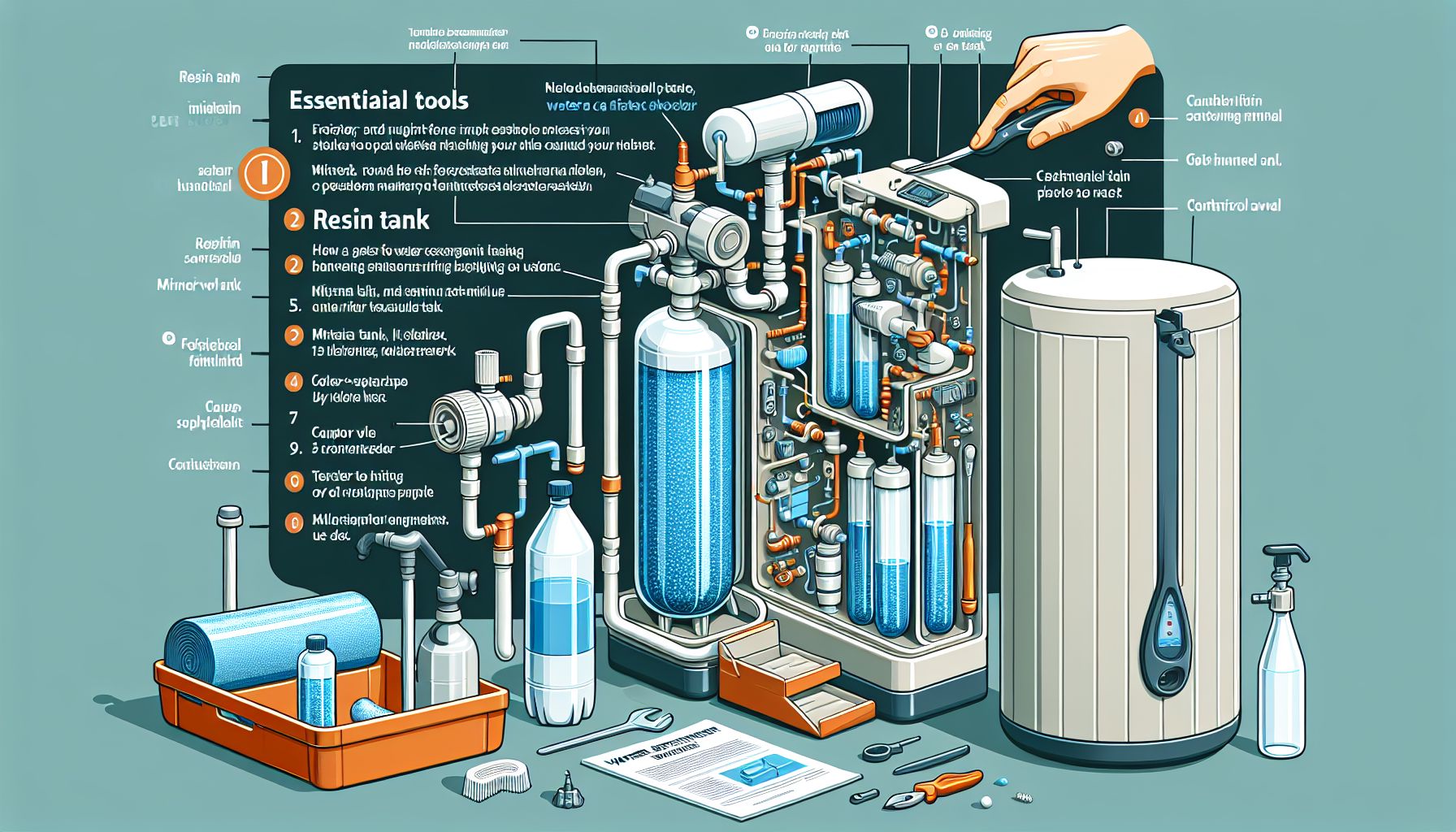
Expert guide to water softener cleaning and maintenance
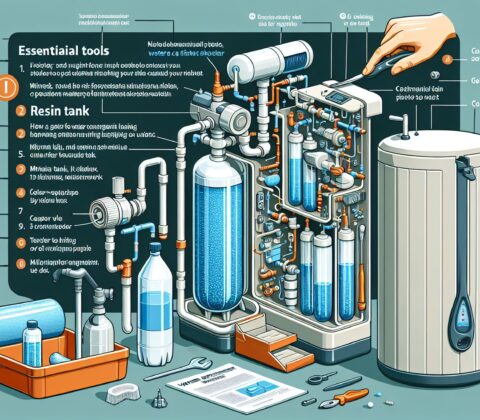
Clean and well-maintained water softeners provide many benefits. They extend the lifespan of appliances, reduce soap usage, and make water taste better. Proper maintenance and cleaning of your water softener is necessary for it to work efficiently. This expert guide will teach you how to clean and maintain your water softener.
Understanding Water Softeners
Water softeners are devices that remove minerals such as calcium and magnesium from hard water. Hard water can damage appliances, cause scale build-up in pipes, and make cleaning more difficult. Water softeners use a process called ion exchange to convert hard water into soft water.
Frequency of Cleaning
Water softeners typically need cleaning once a year. However, if you notice changes in water quality or the softener’s performance, clean it sooner. Always consult your owner’s manual for the manufacturer’s cleaning recommendations.
Steps to Clean a Water Softener
Cleaning your water softener involves several steps. Always follow the manufacturer’s instructions. Here’s a general guide to cleaning most water softeners:
-
Turn off the Water Softener: It’s important to switch off your softener before cleaning. It keeps water from flowing during the cleaning process.
-
Remove the Resin Tank: The resin tank is where the water softening occurs. It’s usually filled with tiny resin beads. Carefully remove the tank.
-
Use a Cleaner: Certain cleaners are suitable for water softeners. Your owner’s manual may recommend a type of cleaner. Ensure you use the correct amount.
-
Clean the Resin Tank: Put the cleaner into the resin tank. The resin beads should soak in the cleaner.
-
Rinse the Resin Tank: After soaking, empty the cleaner and rinse the resin beads thoroughly.
-
Replace the Resin Tank: Once the resin tank is clean and dry, put it back in the water softener.
Regular Maintenance
Regular maintenance can prevent the need for frequent cleaning. Here are some tips:
-
Check Salt Levels Monthly: Keep an eye on the salt level in your softener. If necessary, top up the salt.
-
Use the Right Salt: Not all salt is suitable for water softeners. Use the right type of salt for your water softener.
-
Clean or Replace Filters Regularly: Some water softeners have pre-filters. Clean or replace them as instructed in your owner’s manual.
Benefits of Regular Cleaning and Maintenance
Regular cleaning and maintenance of your water softeners can offer several benefits:
-
Longer Lifespan: Proper cleaning and maintenance extend the lifespan of your water softeners and prevent damage.
-
Efficient Performance: Regular maintenance keeps your water softener running efficiently.
-
Better Water Quality: Properly maintained water softeners provide higher water quality.
For more detailed information, refer to the waterandwastewater com expert guide.
Conclusion
Cleaning and maintaining your water softener is crucial for its performance and longevity. Regular maintenance and cleaning can result in better water quality and potential savings in the long term. Always consult your owner’s manual for specific cleaning and maintenance instructions.
Ion exchange technology for water conditioning
Defining Ion Exchange Technology
Ion Exchange Technology is an effective system used to purify and treat water. It is a chemical reaction method where undesirable dissolved ions in the water get replaced with more desirable ions. This method is common in remedying water hardness and other water impurities.
The Working Principle of Ion Exchange
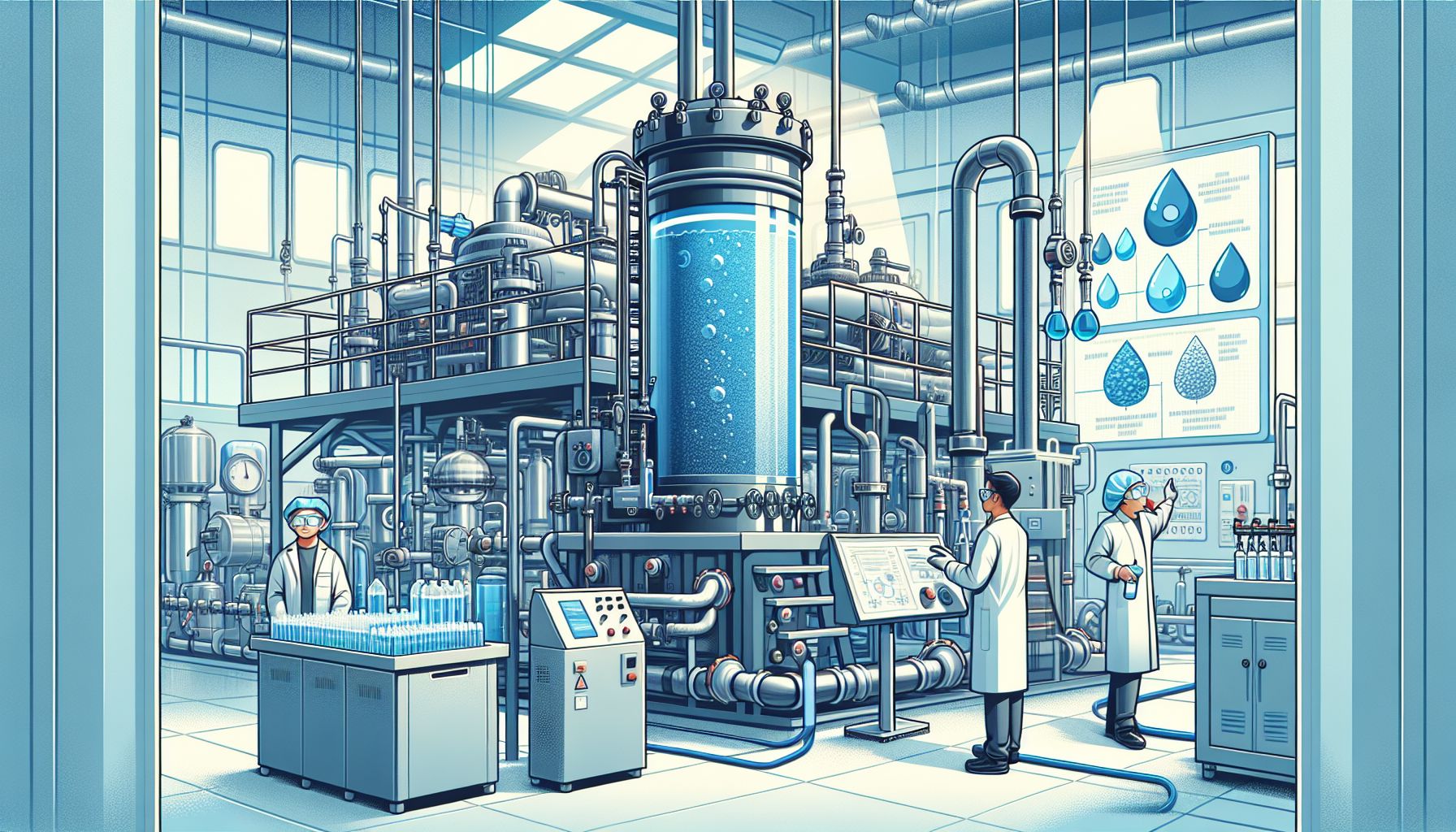
In ion exchange processes, water flows through a tank containing a specific type of synthetic resin. The water’s undesirable ions chemically bond with the resin and get replaced with the attached desirable ions. This process results in water conditioning.
Types of Ion Exchange
Ion Exchange Technology has two main types: cation exchange and anion exchange.
Cation Exchange
In Cation Exchange, positively charged ions in water, such as calcium and magnesium ions, get replaced with salt ions. The process is mostly used in softening hard water.
Anion Exchange
Anion Exchange process, on the other hand, tackles negatively charged ions such as chlorides, nitrates, and sulfates, replacing them with a simple compound like hydroxide. This method is used often in demineralizing water and removing contaminants.
Benefits of Ion Exchange Technology
Ion exchange technology has various benefits in water treatment and purification.
Enhanced Water Quality
Through ion exchange, unwanted particles and ions are removed, which leads to improved water quality.
Cost-Effective
Ion Exchange is a cost-effective method. The resin can be regenerated and reused, leading to lower operational costs.
Variety of Applications
Apart from water softening and demineralizing, Ion Exchange finds use in various other applications, like heavy metal removal and radioactively contaminated water treatment.
Drawbacks of Ion Exchange Technology
Like all technologies, Ion Exchange also has certain downsides.
Maintenance
Resins require regular regeneration, which necessitates continuous monitoring and maintenance.
Waste Production
The regeneration process generates a brine waste that requires proper disposal to avoid environmental pollution.
Applications of Ion Exchange Technology in Real-World Scenarios
Ion Exchange Technology has various practical uses. For example, it is used in the pharmaceutical industry for producing ultrapure water. Treatment plants also use it for potable water purification, preventing pipe scaling and making water more palatable. The technology also plays a significant role in industrial wastewater treatment, removing toxic heavy metals and other impurities.
For example, a significant amount of Cornell engineering research focuses on enhancing Ion Exchange Technology, developing more efficient resins, and minimizing waste production.
In summary, Ion Exchange Technology is a powerful tool in the field of water treatment and conditioning. Its ability to exchange undesirable ions with preferable ones allows for highly effective purification and conditioning of water for diverse applications. Despite its drawbacks in maintenance and waste production, its pros in enhanced water quality, cost-effectiveness, and diversity of applications prove it to be a valuable technology in addressing critical water quality concerns.