Water quality improvement for residential applications
Water is a basic necessity in every household. Safe, clean water plays a significant role in maintaining good health and overall well-being. For this reason, water quality improvement is a vital element of residential applications.
Understanding Water Quality
Water quality refers to the physical, biological, and chemical characteristics of water. It is a measure of the condition of water concerning the requirements of one or more biotic species and or to any human need or purpose. USGS water science emphasizes that improving the quality of water involves the reduction of pollution and contaminants.
Water Contaminants
Household water can contain different types of contaminants. These may be natural or man-made. Natural contaminants include minerals like calcium and magnesium. Man-made contaminants can include pesticides, industrial waste, and human waste. These contaminants can affect the taste, smell, and safety of your water.
Importance of Water Quality Improvement
Improving water quality for residential applications has several advantages. Firstly, it helps protect health by reducing the risk of waterborne diseases. Secondly, it enhances the taste and odor of the water, making daily consumption more pleasant. Lastly, improved water quality protects household appliances that use water from damage caused by contaminants in the hard water.
Methods of Water Quality Improvement
There are various methods available for improving water quality for residential use. Some of the most common techniques are discussed below.
Filtration Systems
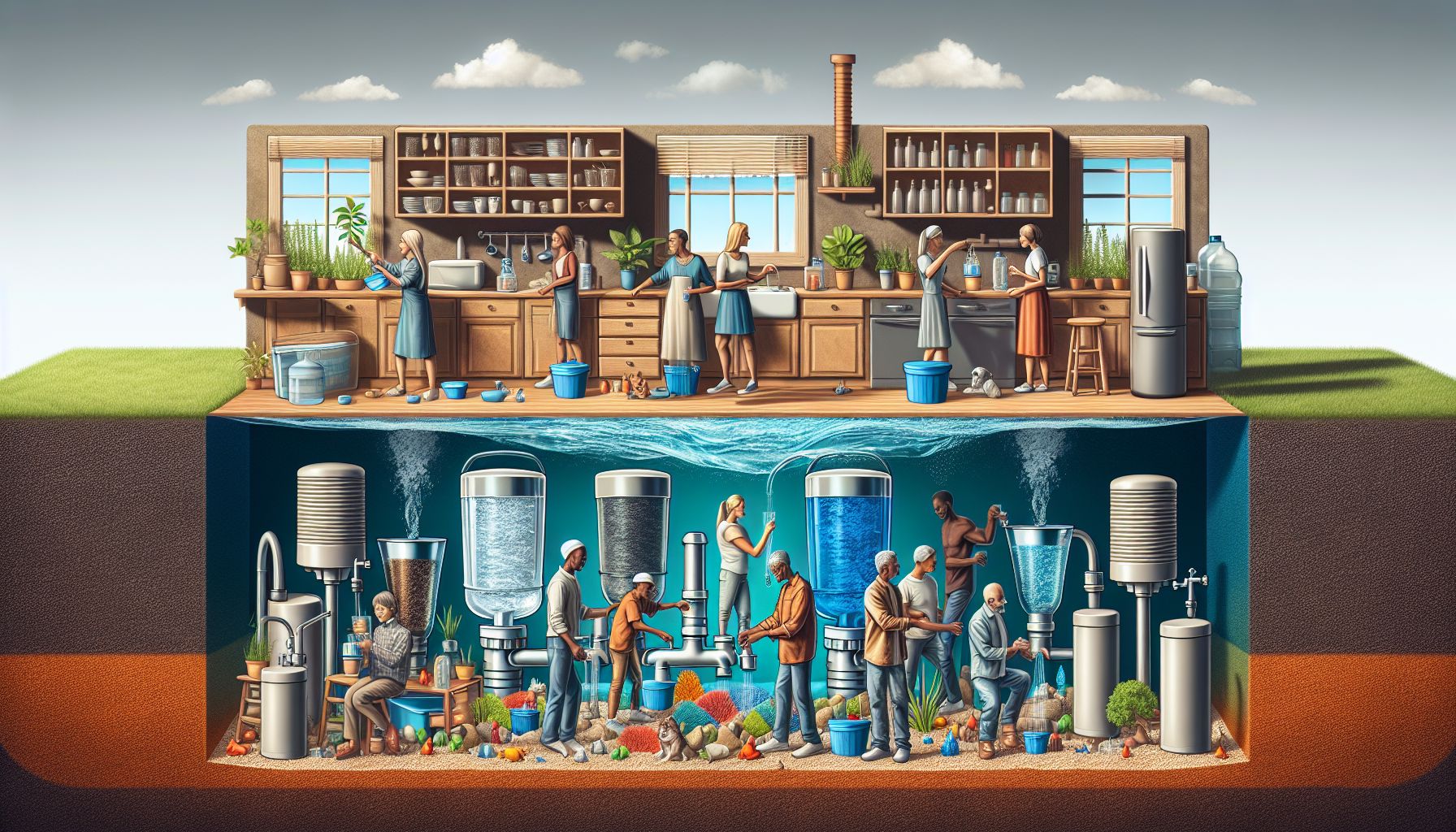
Filtration systems work by removing pollutants from your water. They can be attached directly to your taps or installed in the water supply line. They use different technologies, including activated carbon, ceramic, and reverse osmosis.
Water Softening Systems
Water softening systems remove minerals like calcium and magnesium that cause water hardness. This process can improve the lifespan of household appliances and reduce the amount of detergent required for washing.
Distillation Units
Distillation is a process that involves boiling water to create steam and then condensing the steam back into the water. It effectively removes many contaminants including bacteria, viruses, and heavy metals.
Disinfection Units
Disinfection units use chlorine or ultraviolet light to kill bacteria and other germs in the water. This is commonly used in conjunction with other water treatment systems to ensure complete decontamination.
Considerations for Water Treatment Systems
While choosing a water quality improvement method, several factors need to be considered. These include the type and amount of contaminants in your water, the cost of the system, the amount of water you need to treat, and the maintenance requirements of the system.
Also, while these treatment systems can significantly improve water quality, they are not perfect. They have some drawbacks. For instance, some might not remove all types of pollutants. Others might be expensive to install and maintain.
In conclusion, water quality improvement for residential applications is a crucial aspect of maintaining health and well-being. With various systems available, homeowners can choose the method that best suits their needs. However, making an informed decision would require understanding the type of contaminants in your household water and the effectiveness of different treatment solutions. By doing so, one can ensure the supply of safe and clean water in their homes.
Comments are Disabled