Expert guide to water softener cleaning and maintenance
Clean and well-maintained water softeners provide many benefits. They extend the lifespan of appliances, reduce soap usage, and make water taste better. Proper maintenance and cleaning of your water softener is necessary for it to work efficiently. This expert guide will teach you how to clean and maintain your water softener.
Understanding Water Softeners
Water softeners are devices that remove minerals such as calcium and magnesium from hard water. Hard water can damage appliances, cause scale build-up in pipes, and make cleaning more difficult. Water softeners use a process called ion exchange to convert hard water into soft water.
Frequency of Cleaning
Water softeners typically need cleaning once a year. However, if you notice changes in water quality or the softener’s performance, clean it sooner. Always consult your owner’s manual for the manufacturer’s cleaning recommendations.
Steps to Clean a Water Softener
Cleaning your water softener involves several steps. Always follow the manufacturer’s instructions. Here’s a general guide to cleaning most water softeners:
-
Turn off the Water Softener: It’s important to switch off your softener before cleaning. It keeps water from flowing during the cleaning process.
-
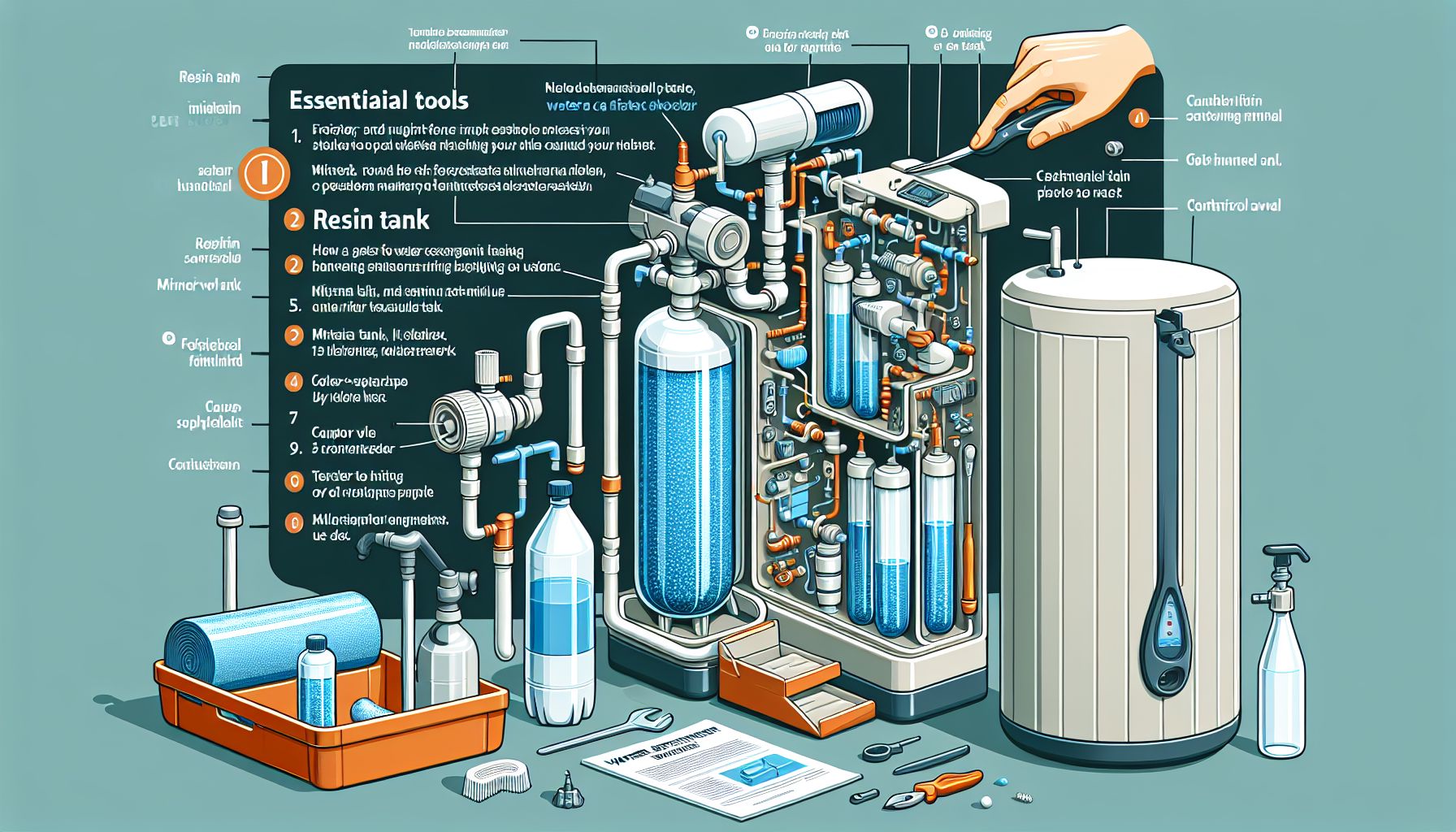
Remove the Resin Tank: The resin tank is where the water softening occurs. It’s usually filled with tiny resin beads. Carefully remove the tank.
-
Use a Cleaner: Certain cleaners are suitable for water softeners. Your owner’s manual may recommend a type of cleaner. Ensure you use the correct amount.
-
Clean the Resin Tank: Put the cleaner into the resin tank. The resin beads should soak in the cleaner.
-
Rinse the Resin Tank: After soaking, empty the cleaner and rinse the resin beads thoroughly.
-
Replace the Resin Tank: Once the resin tank is clean and dry, put it back in the water softener.
Regular Maintenance
Regular maintenance can prevent the need for frequent cleaning. Here are some tips:
-
Check Salt Levels Monthly: Keep an eye on the salt level in your softener. If necessary, top up the salt.
-
Use the Right Salt: Not all salt is suitable for water softeners. Use the right type of salt for your water softener.
-
Clean or Replace Filters Regularly: Some water softeners have pre-filters. Clean or replace them as instructed in your owner’s manual.
Benefits of Regular Cleaning and Maintenance
Regular cleaning and maintenance of your water softeners can offer several benefits:
-
Longer Lifespan: Proper cleaning and maintenance extend the lifespan of your water softeners and prevent damage.
-
Efficient Performance: Regular maintenance keeps your water softener running efficiently.
-
Better Water Quality: Properly maintained water softeners provide higher water quality.
For more detailed information, refer to the waterandwastewater com expert guide.
Conclusion
Cleaning and maintaining your water softener is crucial for its performance and longevity. Regular maintenance and cleaning can result in better water quality and potential savings in the long term. Always consult your owner’s manual for specific cleaning and maintenance instructions.
Comments are Disabled